
In today’s highly competitive global market, manufacturing companies face increasing pressure to develop products faster, reduce costs, and still maintain high quality and manufacturability. Traditional product development processes often identify manufacturing issues late in the cycle, leading to costly redesigns, delays, and multiple physical prototypes.
Simulation-Driven Design for Manufacturing (SDDfM) addresses this challenge by integrating engineering simulation early in the design phase. Instead of validating manufacturability after the design is completed, engineers can evaluate manufacturing feasibility while the product is still being developed.
With the advanced simulation ecosystem from Altair, companies can connect design, simulation, and manufacturing into a unified digital engineering workflow, enabling faster and more reliable product development.
What Is Simulation-Driven Design for Manufacturing?
Simulation-Driven Design for Manufacturing is an approach that embeds CAE simulation tools directly into the product design process to evaluate how a product will behave during manufacturing.
This approach allows engineers to:
- Evaluate manufacturability during the early concept stage
- Predict manufacturing defects before production begins
- Optimize product geometry for real manufacturing processes
Instead of waiting for prototype testing or production trials to reveal issues, simulation enables engineers to identify potential problems within a virtual environment. This significantly reduces design cycles and accelerates product development.
This methodology is especially valuable in industries that demand high precision and reliability, including automotive, aerospace, industrial equipment, and electronics.
Altair’s Manufacturing Simulation Ecosystem
Altair provides a comprehensive simulation platform that supports design decisions with manufacturing insight. By combining powerful simulation tools with an integrated engineering environment, companies can evaluate the entire production lifecycle before a single part is made.
Key capabilities include:
1. Simulation-Driven Product Design
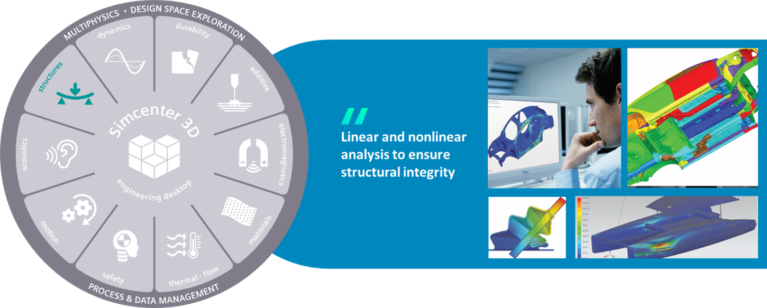
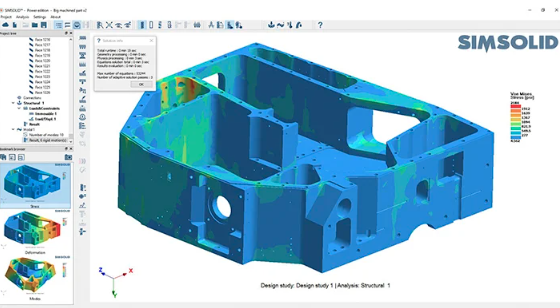
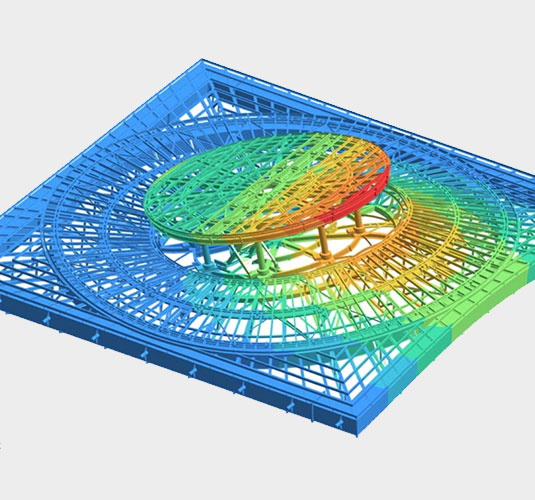
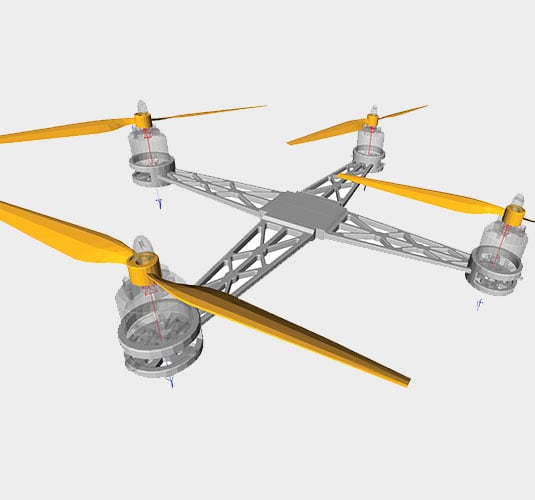
Altair’s design tools integrate structural analysis and optimization directly into the design workflow. Engineers can analyze strength, stiffness, and performance while developing the product, allowing them to make better decisions earlier in the process.
This approach bridges the traditional gap between CAD design and CAE simulation.
 |
 |
2. Manufacturing Process Simulation
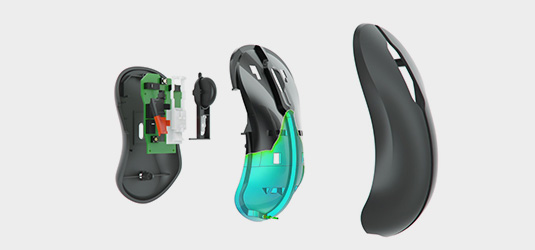
Altair solutions support simulation across a wide range of manufacturing processes, including:
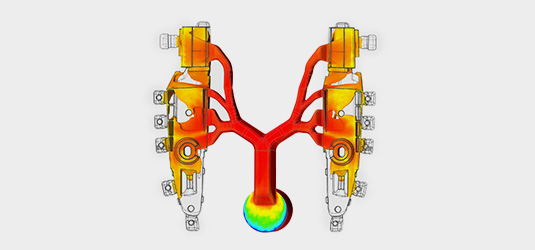
- Metal casting
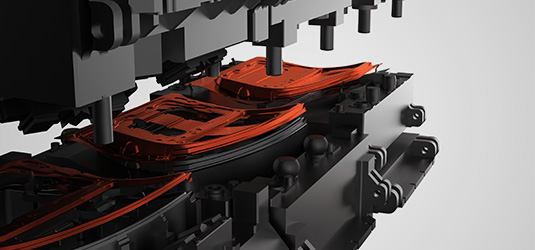
- Sheet metal forming
- Plastic injection molding
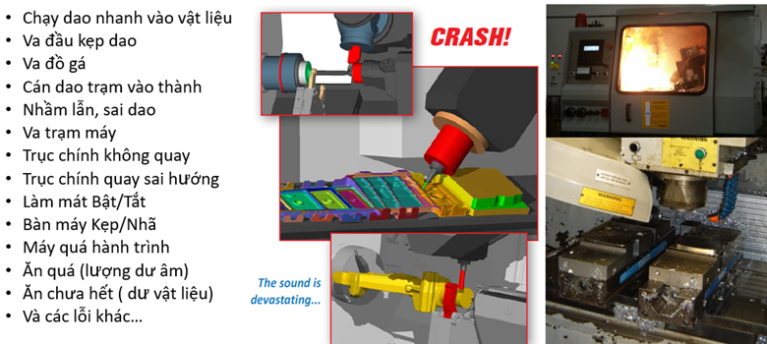
- Machining processes, Composite manufacturing
 |
 |
 |
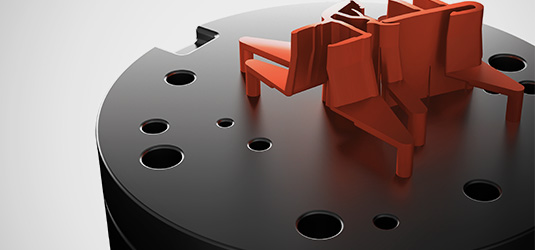 |
These simulations help engineers predict complex physical effects such as deformation, residual stress, material defects, and dimensional deviations before production begins.
3. Design Optimization for Manufacturing
Altair’s optimization technologies enable engineers to automatically explore design alternatives to identify the best-performing structure while ensuring manufacturability.
This capability is particularly important in industries where lightweight design and high performance are critical, such as electric vehicles and aerospace systems.
Benefits of Simulation-Driven Manufacturing
- Shorter product development cycles
- Reduced need for physical prototypes
- Improved product quality and reliability
- Lower development and manufacturing costs
- Better production efficiency
By detecting manufacturing challenges early, organizations can avoid costly engineering changes later in the development process. This leads to faster innovation and a more efficient product development pipeline.
Simulation as the Foundation of Digital Manufacturing
In the era of Industry 4.0, simulation plays a central role in building digital twins of both products and manufacturing processes. By connecting design data, simulation models, and production insights, companies can create a digital environment where decisions are validated before implementation.
Altair’s Simulation-Driven Innovation approach enables organizations to accelerate product development, reduce risk, and continuously improve manufacturing performance through data-driven engineering.
Simulation-Driven Design for Manufacturing is becoming a critical strategy for modern manufacturing organizations. Integrating simulation into the earliest stages of product development allows companies to design products that are not only high-performing but also efficient to manufacture.
With Altair’s comprehensive simulation ecosystem, manufacturers can bridge the gap between design and production, enabling faster innovation, reduced costs, and more reliable products.
Contact us for free and detailed advice: