
In modern products such as electronic devices, automobiles, industrial machinery, and IoT systems, the boundaries between mechanical computer-aided design (MCAD), electrical design, and electronic computer-aided design (ECAD) are becoming increasingly blurred.
Wiring harnesses and printed circuit boards (PCBs) must not only meet electrical performance requirements but also comply with strict mechanical constraints, thermal management requirements, vibration resistance standards, and assembly requirements
1. Common Challenges in Manufacturing Enterprises
Experience across manufacturing organizations highlights several major bottlenecks in cross-disciplinary engineering workflows:
- MCAD and ECAD teams work with disconnected, unsynchronized design data.
- Manual file exchanges between teams using formats such as STEP and IDF can introduce data inconsistencies and dimensional discrepancies.
- Design clashes are detected late in the development process, increasing modification costs and extending product development timelines.
- Repetitive workflows lack sufficient automation.
- Coordinating cross-domain design changes between mechanical and electrical/electronic teams is difficult.
2. Comprehensive Integration with the Siemens Ecosystem
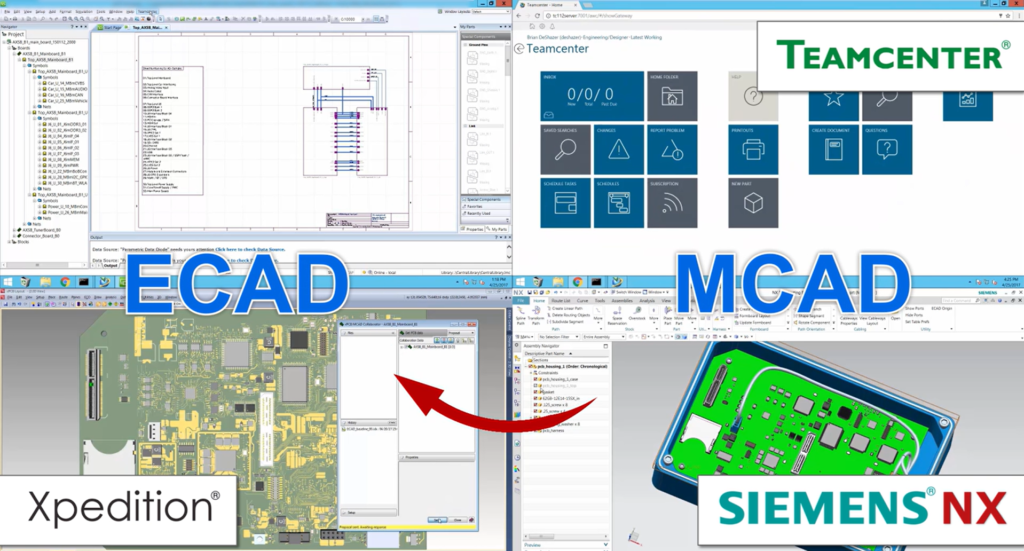
The combination of NX (Mechanical Design), Capital (Electrical Design), Xpedition (Electronics Design), and Teamcenter (Product Lifecycle Management – PLM) addresses these challenges through an integrated engineering environment.
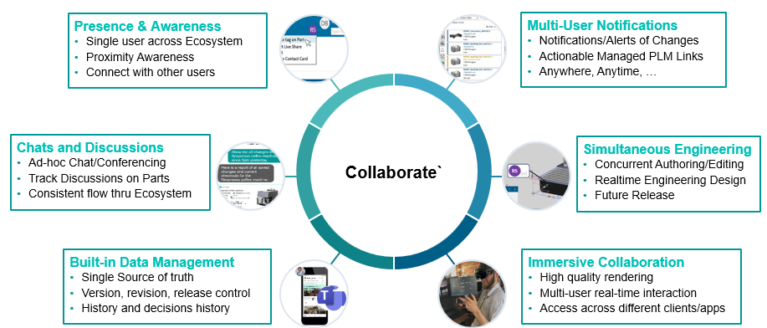
The solution provides a collaborative, multidisciplinary workspace in which MCAD/ECAD data is managed through a single source of truth, with design changes synchronized across disciplines in real time.
3. Core Features of the MCAD/ECAD Integration Solution
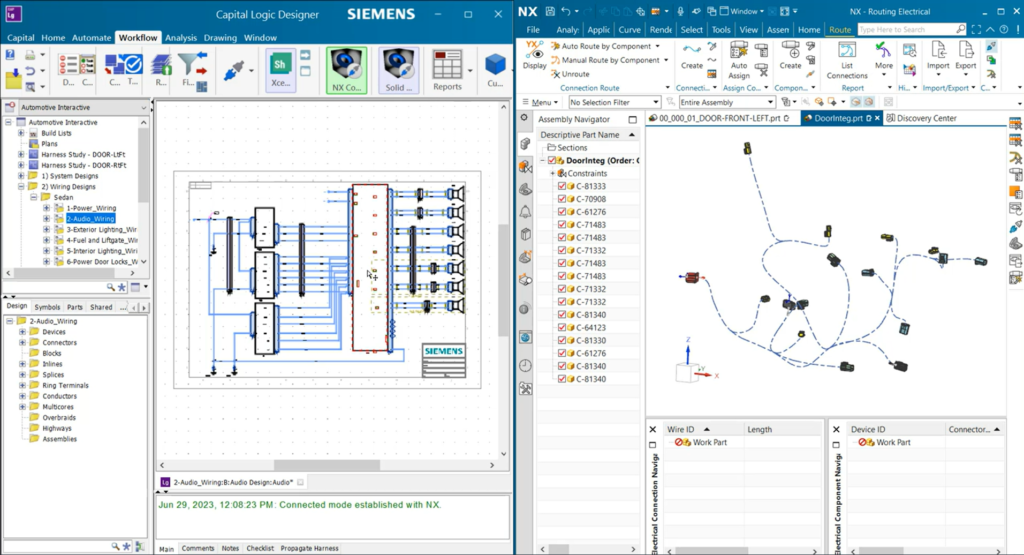
- Bidirectional data synchronization: Enables flexible, two-way exchange of design data and updates between mechanical, electrical, and electronic engineering domains.
- 3D visualization and modeling: Creates 3D representations of wiring harnesses and PCBs to support downstream activities such as thermal simulation, structural analysis, and assembly sequence planning.
- Early clash detection: Identifies potential conflicts between mechanical structures and electronic components during the early design stages, allowing engineers to resolve issues before they escalate.
- Real-time collaboration: Accelerates design change management through a centralized data platform that keeps engineering teams aligned.
- Centralized data management: Maintains a unified digital representation of the product assembly, including mechanical, electrical, and electronic components.
- Unified bill of materials (BOM) management: Synchronizes BOM information across mechanical, electrical, and electronic disciplines.
4. Key Benefits for Manufacturing Enterprises
- Shorter time to market: Accelerates new product development and reduces the time required to bring products to market.
- Cost optimization: Minimizes additional costs caused by design errors, engineering changes, and prototype rework.
- Higher engineering productivity: Strengthens coordination and enables seamless collaboration across engineering departments.
- Improved product quality: Enhances the reliability, dimensional accuracy, and overall quality of finished products.
Read more:
- Vietbay Experts Share New Approaches to MCAD/ECAD Integration and Automation
- The Key to Successful ECAD/MCAD Collaboration
5. Who Can Benefit from MCAD/ECAD Integration?
MCAD/ECAD integration is particularly valuable for organizations developing and manufacturing multidisciplinary products that combine mechanical, electrical, and electronic components, including:
- Automotive and electric vehicle manufacturing.
- Consumer electronics manufacturing
- Aerospace and defense.
- High-tech medical devices.
- Smart equipment and Internet of Things (IoT) systems.
The integrated Siemens ecosystem comprising NX, Capital, Xpedition, and Teamcenter helps manufacturers standardize engineering workflows, reduce design conflicts, and improve overall product development efficiency.
Contact Vietbay – an authorized Siemens distributor in Vietnam, for consultation on MCAD/ECAD integration solutions tailored to your engineering requirements.